Meiosis and the Cell Cycle for the ESAT
Updated July 2026
Meiosis is a specialised form of cell division that produces haploid gametes for sexual reproduction. This process involves two successive divisions to ensure the resulting zygote maintains a diploid chromosome count of . Understanding meiosis is essential for the ESAT as it explains how genetic variation is generated in offspring.
Meiosis is a reductional cell division process where one diploid cell undergoes DNA replication followed by two nuclear divisions to produce four genetically unique haploid gametes. This ensures that when gametes fuse at fertilisation, the resulting zygote has a complete diploid set of chromosomes.
Many eukaryotic organisms, including humans, reproduce by sexual reproduction. This process requires a specific form of cell division called meiosis, which produces specialised reproductive cells known as gametes. These cells contain half the normal complement of chromosomes found in a standard body cell.
Sexual Reproduction and the Role of Gametes
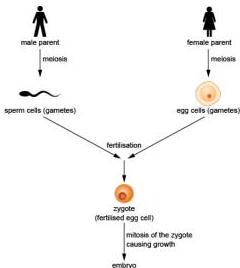
In sexual reproduction, gametes formed by the parents fuse together at fertilisation to form a new individual called a zygote. This fusion combines the genetic material of both parents, creating an offspring that is genetically unique.
Chromosome Number and Fertilisation
When a male and a female gamete fuse during fertilisation, their nuclei combine. This means the total number of chromosomes in the zygote is the sum of those found in the two gametes. For the chromosome number to remain stable across generations, the gametes must carry only half the usual number of chromosomes.
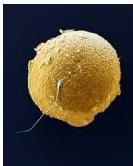
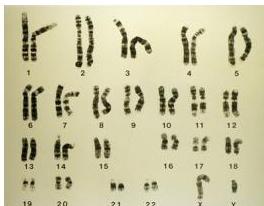
In humans, an ovum (egg cell) contains chromosomes in its nucleus, and a sperm cell also contains chromosomes. When these gametes fuse, the resulting human zygote has chromosomes in its nucleus, organised into pairs.
Plants and animals whose zygotes contain two full sets of chromosomes are described as diploid. One chromosome from each pair originates from the father (via the sperm) and the other from the mother (via the ovum). This arrangement allows offspring to display characteristics inherited from both parents. Mature gametes, which contain only one set of chromosomes, are described as haploid.
The Meiotic Cell Cycle
To produce haploid gametes, cells undergo a meiotic cell cycle. This cycle begins with interphase, a period of preparation. During interphase, the cell grows in size, respires to provide the necessary energy for division, and replicates its DNA. Replication is vital because it ensures that a full set of chromosomes is available to be distributed among the daughter cells.
Following interphase, the cell enters meiosis, which involves two distinct cell divisions:
- The first division separates the pairs of chromosomes.
- The second division separates the replicated copies of each chromosome.
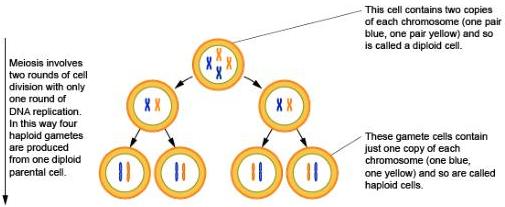
In most diploid species, this process results in four daughter cells, each with a single copy of each chromosome.
The Importance of Meiosis
Meiosis is essential for two main reasons:
- Reductional Division: It halves the total number of chromosomes per cell. This prevents the chromosome number from doubling every time fertilisation takes place.
- Genetic Variation: The gametes produced are genetically different from each other and from the parent cell. This creates genetic variation in the offspring, which is crucial for natural selection and the adaptation of species.
Comparing Mitosis and Meiosis
It is important to distinguish between the two types of cell division found in eukaryotes:
| Characteristic | Mitosis | Meiosis |
|---|---|---|
| Number of daughter cells produced | ||
| Daughter cells genetically identical to parent cell? | Yes | No |
| Daughter cells genetically identical to each other? | Yes | No |
| Chromosome number in daughter cells | Same as parent cell (diploid) | Half the number of parent cell (haploid) |
| When used? | Growth, repair, and asexual reproduction | Gamete formation for sexual reproduction |
Worked Example: Understanding Meiosis Outcomes
Exercise:
a. Name the daughter cells formed by meiosis. b. State two ways in which these daughter cells are different from the parent cell.
Solution:
a. The daughter cells are gametes, also known as sex cells (sperm and ova). b. Firstly, the daughter cells are haploid (containing chromosomes) whereas the parent cell is diploid (containing chromosomes). Secondly, the daughter cells are genetically unique, while the parent cell contains its own specific combination of genetic material.
Key takeaways
- Meiosis involves two successive cell divisions following a single interphase period of DNA replication.
- The process results in four haploid daughter cells, each containing half the chromosome count of the parent.
- Meiosis is a reductional division that ensures the zygote is diploid after the fusion of two haploid gametes.
- Genetic variation is produced because every gamete is genetically different from the parent and other gametes.
When answering ESAT questions, remember that DNA replication only occurs once during the whole meiotic cell cycle, specifically during interphase, even though there are two subsequent divisions.
Do not confuse the outcomes of mitosis and meiosis. Mitosis produces two identical diploid cells for growth, whereas meiosis produces four unique haploid cells for reproduction.
Meiosis is the fundamental driver of variation in eukaryotic populations. By shuffling genetic material into unique combinations in every gamete, it ensures that every individual produced via sexual reproduction is a new genetic variant for natural selection to act upon.
Frequently asked questions
What happens to the DNA before meiosis begins?
Before meiosis starts, the cell enters interphase. During this stage, the DNA is replicated so that each chromosome consists of two identical copies, providing enough material for the subsequent divisions.
Why is it important that gametes are haploid?
Gametes must be haploid so that when they fuse during fertilisation, the resulting zygote has the correct diploid number of chromosomes. If gametes were diploid, the chromosome number would double every generation.
How many chromosomes are in a human gamete?
A human gamete contains chromosomes, which is exactly half of the chromosomes found in a diploid human body cell.