Disease and Body Defence for the ESAT
Updated July 2026
Communicable diseases are caused by pathogens including bacteria, viruses, fungi, and protists, while non-communicable diseases result from complex interactions of genetic and lifestyle factors. This topic covers transmission routes, immune responses, vaccination principles, and the management of chronic conditions like cardiovascular disease and type 2 diabetes.
Disease is a departure from health caused either by infectious pathogens (communicable) or the interaction of environmental, physiological, and lifestyle factors (non-communicable). The body defends against communicable disease through physical barriers and an immune system that can be primed by vaccinations to recognise specific antigens.
Communicable Diseases and Pathogens
Communicable diseases are infectious illnesses that can be transmitted between organisms. These are caused by pathogens, which are microorganisms that cause disease. The four main types of pathogens are:
- Viruses: Non-living entities consisting of genetic material and a protein coat.
- Bacteria: Single-celled prokaryotic organisms.
- Protists: Eukaryotic, often single-celled organisms.
- Fungi: Eukaryotic organisms that can be single-celled or multicellular.
Viral Diseases
Viruses are not considered alive because they lack cytoplasm and a nucleus, and they cannot reproduce without a host cell.
HIV and AIDS
Human Immunodeficiency Virus (HIV) is a retrovirus, meaning it contains RNA as its genetic material along with the enzyme reverse transcriptase, which converts viral RNA into DNA. HIV is transmitted through infected body fluids such as blood, semen, vaginal fluid, or breast milk. It enters the body through mucous membranes or broken skin.
Prevention includes using condoms, bottle-feeding instead of breastfeeding for HIV+ mothers, and screening blood for transfusions. HIV parasitises a specific type of white blood cell called a lymphocyte, using the cell to replicate and then destroying it. As lymphocyte counts fall, the immune system becomes compromised. When the immune system is severely weakened, the person is said to have AIDS (Acquired Immune Deficiency Syndrome). While there is no cure, anti-retroviral drugs can control the infection by inhibiting reverse transcriptase.
Influenza
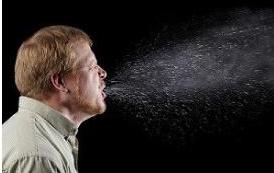
Influenza is spread via airborne droplets from coughs or sneezes and through direct contact. Symptoms include fever, runny nose, and sore throat. Prevention involves hygiene (mask-wearing, hand washing), and vaccines are provided to high-risk groups.
Measles
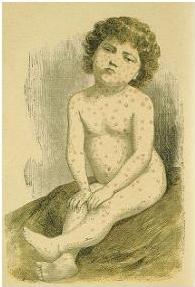
Measles (rubeola) is caused by the Morbillivirus. It spreads through direct contact or airborne mucus droplets. It causes a blotchy red rash and light sensitivity. It is prevented by the MMR vaccine, which protects against measles, mumps, and rubella.
Tobacco Mosaic Disease
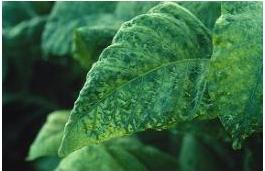
Tobacco Mosaic Virus (TMV) affects plants, causing leaves to become wrinkled and mottled with light and dark green areas (mosaic). It spreads via insects (aphids) or direct contact. Control involves removing infected plants, crop rotation, or genetic modification for resistance.
Bacterial, Protist, and Fungal Diseases
Bacterial Diseases and Salmonella
Bacteria can often be treated with antibiotics, chemicals that kill bacteria or stop their reproduction. However, resistance is a growing concern. Salmonella is a common food poisoning caused by ingesting contaminated food. The bacteria survive the stomach's low pH and cause inflammation in the small intestine, leading to vomiting, fever, and diarrhoea. Prevention focuses on proper food hygiene and thorough cooking.
Protist Diseases: Malaria
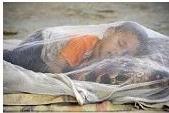
Malaria is caused by the protist Plasmodium, spread by infected mosquitoes. The protist matures in the human liver before reproducing in red blood cells. The regular cycles of cell rupture cause the characteristic periodic fevers. Prevention includes mosquito nets, repellents, and anti-malarial medication. We can also disrupt the mosquito life cycle by draining stagnant water or using insecticides.
Fungal Diseases: Aspergillosis
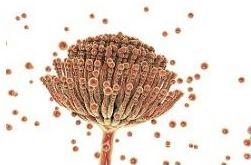
Aspergillosis is caused by Aspergillus fungi, which produce asexual spores that are inhaled. Some produce carcinogens that contaminate food. Symptoms include chest pain and breathlessness. It is treated with steroids or anti-fungal medication, though resistance is developing.
Principles of Vaccination
Vaccines contain dead, inactive, or weakened versions of a pathogen. These carry specific antigens (surface markers) that the immune system recognises as non-self. This triggers a primary immune response, leading to the production of memory cells.
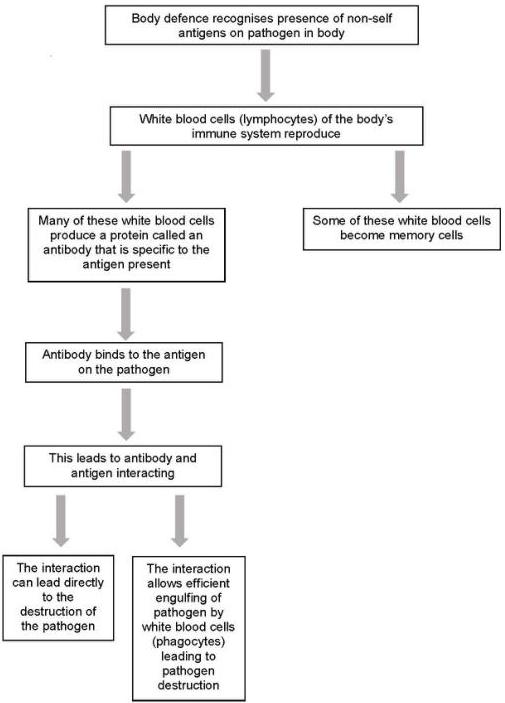
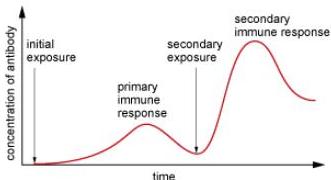
If the pathogen is encountered again, a secondary immune response occurs. Memory cells rapidly produce a much higher concentration of antibodies, destroying the pathogen before symptoms develop. This state is known as being immune.
Worked Examples from the Guide
Exercise 59: Why would a person vaccinated against MMR not be immune to flu? Vaccines are specific. The MMR vaccine contains antigens for measles, mumps, and rubella. These antigens have a different shape to the antigens on the influenza virus. Therefore, the memory cells produced for MMR will not recognise or respond to the flu virus.
Exercise 60: What is the difference between being immune and being resistant? Immunity is an acquired state following exposure to antigens (via infection or vaccine), resulting in memory cells. It cannot be passed to offspring. Resistance is usually an inherited genetic trait or a result of DNA mutation that allows an organism to withstand a pathogen. This can be passed to the next generation.
Discovery and Development of New Medicines
New medicines go through two main stages of testing:
- Preclinical tests: Done in laboratories on cells, tissues, and live animals to check for toxicity and efficacy.
- Clinical tests: Done on humans.
- Phase 1: Small group of healthy volunteers to check for safety and side effects.
- Phase 2: Small group of volunteer patients to check efficacy and find the correct dosage.
- Phase 3: Large group of patients to confirm efficacy and monitor side effects.
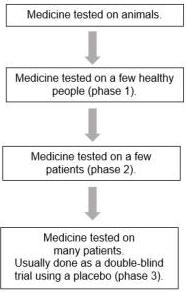
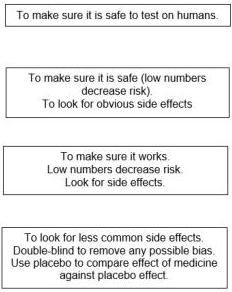
Trials often use a placebo, which is an identical-looking treatment that lacks the active drug. This helps scientists account for the placebo effect, where patients feel better simply because they believe they are being treated.
Non-communicable Diseases
Non-communicable diseases are not infectious. They are caused by the interaction of multiple factors, including genetics and lifestyle choices. Key examples include cardiovascular disease (CVD), cancer, lung and liver diseases, and type 2 diabetes.
Cardiovascular Disease (CVD)
CVD includes conditions like coronary heart disease (CHD), hypertension, and stroke.
- CHD: Coronary arteries become blocked by fatty deposits (atheroma) or clots, starving the heart muscle of oxygen and glucose.
- Hypertension: Consistently high blood pressure (above mmHg), often caused by narrowed or hardened arteries.
- Stroke: Brain tissue dies due to a lack of blood supply.
Risk factors are divided into modifiable (diet, exercise, smoking, alcohol) and non-modifiable (age, sex, genetics).
Treatment and Management of CVD
- Medication:
- Statins: Reduce cholesterol production to prevent atheroma.
- Anti-coagulants: Reduce the risk of blood clots.
- Anti-hypertensives: Relax blood vessels to lower blood pressure.
- Surgery:
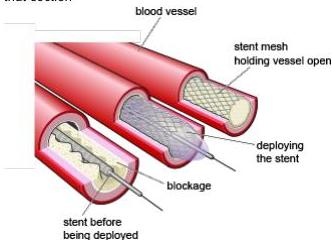
- Stents: A mesh tube inserted into an artery to keep the lumen open.
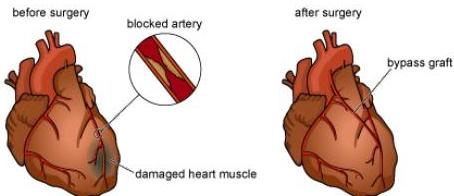
- Bypass: Using a blood vessel from another part of the body to re-route blood around a blockage.
- Lifestyle: Reducing smoking, increasing exercise, and eating a balanced diet.
Other Non-communicable Conditions
- Cancer: Linked to lifestyle (e.g. 90% of lung cancers are smoking-related due to carcinogens) and genetics (e.g. BRCA mutations in breast cancer).
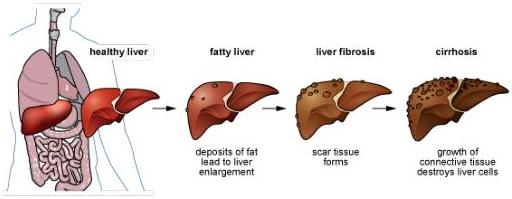
- Liver Disease: Excess alcohol consumption can lead to cirrhosis, where liver tissue is permanently scarred.
- Type 2 Diabetes: Characterised by insulin resistance, where body cells (especially muscle) no longer respond effectively to insulin. This results in persistently high blood glucose levels. Risk factors include obesity and lack of exercise.
Key takeaways
- Communicable diseases are caused by four types of pathogenic microorganisms: bacteria, viruses, fungi, and protists.
- Vaccinations induce a primary immune response and create memory cells, allowing for a much faster and stronger secondary response upon reinfection.
- CVD management utilizes lifelong medication (statins, anti-coagulants), surgical interventions (stents, bypass), and modifiable lifestyle changes.
- HIV targets lymphocytes and uses reverse transcriptase to replicate, eventually leading to a compromised immune system known as AIDS.
- New medicines must undergo rigorous preclinical testing on animals and cells before multi-phase clinical trials on human volunteers.
In the ESAT, you may be asked to interpret graphs of antibody concentration. Remember that the secondary response is always faster and the peak concentration of antibodies is significantly higher than in the primary response.
Do not confuse antibiotics with antibodies. Antibiotics are medications used to treat bacterial infections; they have no effect on viruses. Antibodies are proteins produced by your own white blood cells to neutralise pathogens.
The development of drug resistance in pathogens like Salmonella or Aspergillus is an example of natural selection in action, where the application of drugs creates a selection pressure that favours mutant, resistant strains.
Frequently asked questions
How do anti-retroviral drugs work against HIV?
They inhibit the enzyme reverse transcriptase. Without this enzyme, the virus cannot convert its RNA into DNA, which prevents it from replicating and destroying more lymphocytes.
What is the difference between a stent and a bypass?
A stent is a mesh tube placed inside a narrowed artery to keep the lumen open. A bypass is a surgical procedure where a section of healthy blood vessel is used to re-route blood flow around a total blockage.
Why is a secondary immune response more effective than a primary one?
In a secondary response, memory cells are already present. These cells recognise the antigen immediately and produce a much higher concentration of antibodies in a much shorter timeframe, usually destroying the pathogen before symptoms occur.
What causes insulin resistance in type 2 diabetes?
When a person frequently consumes high-sugar diets, the pancreas regularly releases insulin. Over time, the body's cells, particularly muscle cells, become less responsive to this insulin, leading to chronically high blood glucose levels.