DNA Structure and Protein Synthesis for the ESAT
Updated July 2026
This lesson provides a comprehensive overview of DNA structure and the mechanisms of protein synthesis. It explains how nucleotides form the genetic code, how sequences of triplet bases determine the specific structure of proteins, and how mutations can alter an organism's phenotype by changing the amino acid sequence within genes.
DNA is a polymer made of nucleotides containing a sugar, phosphate, and one of four nitrogenous bases, which stores genetic information in triplets that code for specific amino acids to build functional proteins.
Chromosomes and Genes
DNA is the genetic material that stores information as a code known as the genetic code. In the nucleus of a cell, DNA is organised into long, thread like structures called chromosomes. These structures are typically visible only when a cell is dividing, at which point they take on a shape similar to the letter .
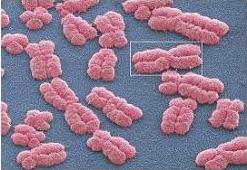
Each chromosome consists of long molecules of DNA wrapped around proteins to allow for tight packaging within the nucleus. During the majority of the cell cycle, a chromosome consists of a single molecule of DNA. However, just before cell division, this DNA molecule is copied so that the chromosome comprises two identical DNA molecules. This ensures that when the cell divides, one molecule from each chromosome can be passed to each daughter cell.
DNA molecules are extremely large, containing many millions of bases. A specific section of a chromosome that codes for a particular protein is called a gene.
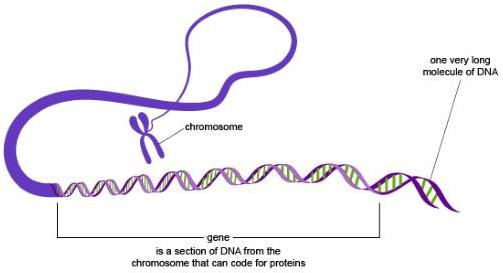
The Structure of DNA
DNA is a polymer, meaning it is a large molecule made of repeating smaller units.
- Single stranded DNA (ssDNA): This is a polymer formed when individual units called nucleotides are joined together in a single chain.
- Double stranded DNA (dsDNA): This consists of two such strands of DNA that twist around each other to form a structure known as a double helix.
Each nucleotide unit is composed of three distinct parts: a common sugar, a phosphate group, and one of four different nitrogenous bases. It is the sequence of these bases along the DNA strand that carries the genetic information.
How the Cell Uses the Genetic Code
Proteins are polymers made up of chains of smaller molecules called amino acids, which contain carbon, hydrogen, oxygen, and nitrogen. The process of building these chains is called protein synthesis. A gene acts as a set of instructions for the cell to build one specific protein.
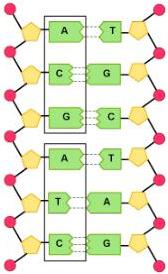
Although DNA is double stranded, the cell only uses the sequence of bases on one of the strands, known as the template strand, to provide the instructions for making a protein. The cell reads this genetic code in groups of three bases called triplets. Each triplet, such as or , codes for one specific amino acid in the protein chain.
Worked Example: Using the Genetic Code
Consider a section of a gene with the following base sequence: . To understand how the cell reads this, we separate the bases into triplets:
, , , ,
Each of these triplets corresponds to a specific amino acid. For instance, in this sequence, and both code for the same amino acid, while , , and code for different ones. The specific order of these triplets ensures that the amino acids are joined together in the correct sequence during synthesis.

Protein Synthesis and Functional Proteins
Protein synthesis involves producing chains of amino acids called polypeptides. A functional protein may consist of a single polypeptide or multiple polypeptide chains working together.
| Name of functional protein | Structural details | Role in the organism |
|---|---|---|
| Amylase | 1 polypeptide (approx 496 amino acids) | Digests starch into simple sugars. |
| Pepsin | 1 polypeptide (327 amino acids) | Breaks down proteins in the stomach. |
| Insulin | 2 chains (21 and 30 amino acids) | Decreases blood glucose levels. |
| Collagen | 3 chains twisted in a triple helix | Provides structural support to tissues. |
| Haemoglobin | 4 chains (2 alpha and 2 beta) | Transports oxygen in the blood. |

The Importance of Protein Folding
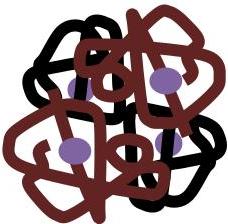
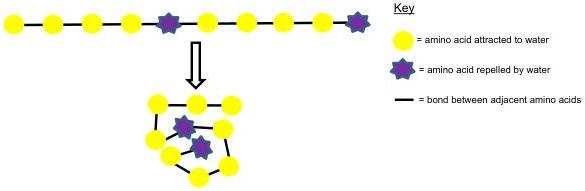
The three dimensional shape of a protein is determined by the sequence of its amino acids. After the polypeptide chain is formed, it folds into a specific shape. One major driver of this is the interaction with water: some amino acids are attracted to water (hydrophilic), while others are repelled (hydrophobic).
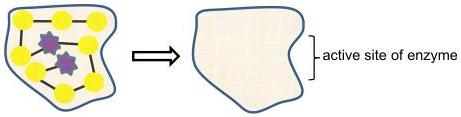
This folding creates a functional shape, such as the active site of an enzyme. If the sequence of amino acids were different, the protein would fold into a different shape and may lose its ability to function.
Gene Mutations
A gene mutation is a change in the sequence of nucleotides in the DNA. This change can alter a triplet, potentially causing a different amino acid to be placed in the polypeptide chain. This can change the three dimensional structure of the resulting protein.
The Effects of Mutations on Phenotype
- No effect: Many mutations occur in non coding sections of DNA between genes or are silent, meaning the new triplet still codes for the same amino acid. These have no effect on the phenotype.
- Small effect: Some mutations cause a minor change in phenotype. An example is polydactyly, where a mutation results in a cat having extra toes.
- Significant effect: Occasionally, a mutation can determine the phenotype by making a protein non functional. For example, if a mutation alters the active site of an enzyme that produces flower pigment, the petals may lack colour or appear different.


Key takeaways
- DNA is a polymer of nucleotides, each consisting of a sugar, a phosphate group, and a nitrogenous base.
- A gene is a section of DNA that codes for a specific protein by using a triplet code to determine amino acid sequences.
- The specific sequence of amino acids dictates how a protein folds into its three dimensional functional shape.
- Mutations are changes in the DNA base sequence that can be silent, have small phenotypic effects, or cause total loss of protein function.
When answering questions about the scale of genetic structures, remember the hierarchy: a base is part of a nucleotide, three nucleotides form a triplet, many triplets form a gene, and many genes make up a DNA molecule within a chromosome.
Do not assume all mutations are harmful. Many mutations are neutral (silent), and some are even beneficial for evolution. Also, remember that chromosomes only consist of two DNA molecules immediately prior to cell division: for most of the cell cycle, they consist of just one.
The way amino acids fold based on their relationship with water is a key reason why proteins are functional in the aqueous environment of the cytoplasm. Hydrophobic amino acids cluster in the centre, effectively 'hiding' from the water, while hydrophilic ones form the exterior surface.
Frequently asked questions
What is the difference between a polypeptide and a functional protein?
A polypeptide is a single chain of amino acids produced during protein synthesis. A functional protein is the final folded structure that can perform a biological role; it may consist of one polypeptide (like amylase) or several (like the four chains in haemoglobin).
How can a mutation be silent?
The genetic code is redundant, meaning several different triplets can code for the same amino acid. If a mutation changes a base but the resulting triplet still codes for the original amino acid, the protein's structure remains unchanged, making the mutation silent.
Why is the sequence of amino acids so important for an enzyme's function?
The sequence of amino acids determines how the protein folds due to attractions and repulsions between the acids and their environment. For enzymes, this folding creates the specific three dimensional shape of the active site, which must be complementary to the substrate to catalyse a reaction.