Group 1 Chemistry: Alkali Metal Properties and Trends
Updated July 2026
Group 1 consists of the alkali metals, including lithium, sodium, and potassium. These elements share similar chemical properties due to having one electron in their outer shell. This guide explores their physical trends, reactions with water, and the underlying atomic reasons for why their reactivity increases as the group is descended.
The alkali metals possess a outer electron configuration. Their chemical reactivity is defined by the ease with which they lose this single valence electron to form ions, a process that becomes easier as the atomic radius increases down the group.
Introduction to Group 1
The elements in Group 1 of the Periodic Table are known as the alkali metals. This group includes lithium (), sodium (), potassium (), rubidium (), caesium (), and francium (). In the context of the ESAT, you must focus on the trends and properties of the first three: lithium, sodium, and potassium.
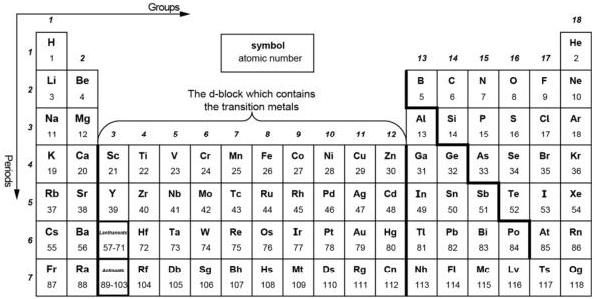
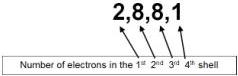
All alkali metals are found in the first column of the Periodic Table. As established in the study of atomic structure, the position of an element corresponds to its electron configuration. Every element in Group 1 has exactly one electron in its outermost shell. For example, the configuration of a potassium atom is .
Physical Properties and Trends
The alkali metals exhibit distinct physical properties that set them apart from other metals like iron or copper. They are remarkably soft and can be cut easily with a knife. When freshly cut, they show a shiny metallic surface that quickly tarnishes as they react with oxygen in the air.
There are two key physical trends to remember as you move down the group from lithium to potassium:
- Melting and Boiling Points: These decrease as you go down the group. Lithium has the highest melting point, while potassium has a lower melting point.
- Density: The density generally increases down the group. However, lithium, sodium, and potassium are all less dense than water, meaning they will float when placed in it.
Chemical Reactivity and the Reaction with Water
The most characteristic chemical property of Group 1 metals is their reaction with water. When an alkali metal reacts with water, it produces a metal hydroxide and hydrogen gas. The general balanced equation for this reaction, using to represent any Group 1 metal, is:
The resulting solution is alkaline because of the presence of hydroxide ions (). The reactivity increases significantly as you descend the group:
- Lithium (): Reacts relatively slowly. It floats on the surface and does not melt. It gradually dissolves as it reacts. If the hydrogen gas produced is ignited, it burns with a crimson red flame.
- Sodium (): Shows a more vigorous reaction. It moves quickly across the water's surface and the heat produced is sufficient to melt the metal into a shiny silver ball. It dissolves rapidly. If ignited, the gas burns with a yellow orange flame.
- Potassium (): Reacts extremely vigorously and rapidly. It moves very quickly over the surface and dissolves almost instantly. The reaction is so exothermic that the hydrogen gas produced self ignites, burning with a characteristic lilac flame.
Explaining the Trend in Reactivity
To understand why potassium is more reactive than lithium, we must look at the atomic structure. During a reaction, a Group 1 atom must lose its single outer electron to form a stable ion.
As you move down the group:
- The number of electron shells increases, so the atomic radius increases.
- The outer electron is further away from the positive nucleus.
- There is increased shielding from the inner electron shells.
These factors combined mean that the electrostatic attraction between the nucleus and the outer electron becomes weaker. Consequently, it requires less energy to remove the outer electron, making the metal more reactive.
Making Predictions
Based on these trends, we can predict the properties of elements further down the group, such as rubidium () or caesium (). We can expect rubidium to react even more violently than potassium, likely exploding upon contact with water. Physically, we can predict its melting point will be lower than that of potassium and its density will be higher.
Key takeaways
- Group 1 metals all have one electron in their outer shell and form ions.
- Reactivity with water increases down the group from lithium to potassium.
- The reaction with water produces hydrogen gas and an alkaline metal hydroxide solution.
- Flame colours are specific to each metal: lithium is crimson, sodium is yellow orange, and potassium is lilac.
- Melting points decrease while density generally increases as the group is descended.
In the exam, pay close attention to the specific observations for each metal: 'floats', 'melts', and the specific flame colour. These are often used to identify the metal in a question. Always include state symbols in your equations if requested: for the metal, for water, for the hydroxide, and for hydrogen.
A common error is stating that reactivity increases down every group. While this is true for metals in Group 1 and 2, the opposite is true for non metals like the halogens in Group 17, where reactivity decreases down the group.
The term 'alkali' comes from the Arabic word 'al-qali', meaning 'the ashes'. Early chemists extracted potassium carbonate from wood ashes. This historical context reminds us that the defining feature of these metals is the basic (alkaline) nature of the compounds they form.
Frequently asked questions
Why is the solution formed when Group 1 metals react with water alkaline?
The reaction produces metal hydroxide ions, such as or . These compounds dissociate in water to release ions, which are responsible for the alkalinity and high of the solution.
Why does sodium melt when it reacts with water but lithium does not?
The reaction of sodium with water is more exothermic (releases more heat) than the reaction of lithium. Additionally, sodium has a lower melting point than lithium, so the heat generated is enough to turn the sodium into a liquid ball.
How can you predict the reactivity of francium?
Since reactivity increases down Group 1, francium, being at the bottom, would be the most reactive element in the group. It would react extremely explosively with water, much more so than potassium or caesium.
What are the observations for a potassium reaction that aren't seen with lithium?
Potassium moves much more rapidly, reacts more vigorously, and produces a lilac flame as the hydrogen gas self ignites due to the intense heat of the reaction.