Stem Cells and Medical Applications for the ESAT
Updated July 2026
Stem cells are undifferentiated cells capable of self-renewal and specialised differentiation. Understanding the distinctions between totipotent, pluripotent, and multipotent cells is essential for the ESAT. These cells offer significant medical potential for treating conditions like diabetes and paralysis, though their use involves specific ethical considerations and biological risks.
Stem cells are unspecialised cells that can divide by mitosis to produce more stem cells or differentiate into various functional cell types. Their potency decreases as an organism develops, moving from totipotent to pluripotent and finally multipotent states.
Introduction to Stem Cells
Stem cells are undifferentiated cells that possess two unique properties. First, they can renew themselves by dividing through mitosis. Second, they can undergo a process called differentiation to specialise into a variety of different cell types. In humans, different types of stem cells are produced at various stages of development, from the earliest moments of life through to adulthood.
Human Development and Stem Cell Types
Humans reproduce via sexual reproduction, where specialised cells called gametes (sperm and egg) fuse during fertilisation to produce a single fertilised egg cell known as a zygote.
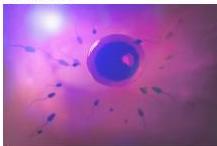
The zygote begins to divide by mitosis to produce daughter cells. The cells produced in this very early stage of life are defined as totipotent stem cells. Totipotent cells have the highest level of potency: they have the potential to differentiate into any of the specialised cells found in an adult human and can develop into a complete multicellular organism, including the placenta.
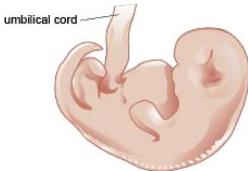
As the number of cells increases, an embryo forms. The embryo consists of pluripotent embryonic stem cells. These cells can still differentiate into any of the specialised cell types of the adult body. However, unlike totipotent cells, pluripotent cells cannot produce the cells required to form the placenta.
Adult humans also possess stem cells throughout their lives. These adult stem cells are found in various organs, including the skin, heart, brain, and liver. Adult stem cells are described as multipotent. They are undifferentiated but can only differentiate into a limited, small number of different cell types. For instance, stem cells in the bone marrow are multipotent and can only differentiate into the various types of cells found in human blood.
In summary, while all stem cells can divide by mitosis and differentiate, the range of potential cell types they can produce decreases as the organism develops from a zygote to an embryo and finally to an adult.
Stem Cells in Medical Applications
Stem cells are already used in medicine. Bone marrow transplants are a established treatment for certain cancers, where the donor's multipotent stem cells replace the patient's diseased blood cells. However, there is significant research into the use of embryonic stem cells to treat conditions where body cells are destroyed or non-functional. By stimulating these cells to differentiate into specific tissues in a laboratory, they could be used for:
- Treating diabetes by replacing insulin-secreting cells in the pancreas.
- Treating severe burns by replacing damaged skin tissue.
- Replacing neurones damaged by spinal cord injuries to treat paralysis.
- Replacing heart cells damaged during a heart attack.
Risks and Ethical Considerations
The use of stem cells in medicine is not without challenges. Key risks include:
- Immune Rejection: The patient's immune system may identify transplanted stem cells as foreign and attack them.
- Cancer Risk: There is an increased risk that transplanted stem cells may divide uncontrollably, leading to the development of tumours.
- Ethical Concerns: The use of embryonic stem cells is controversial because the process requires the destruction of human embryos, which many people object to on moral and ethical grounds.
Induced Pluripotent Stem Cells (iPSC)
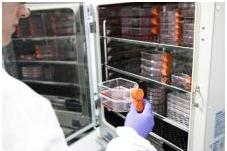
To address the ethical and rejection issues, scientists developed induced pluripotent stem cells (iPSC). These are created in the laboratory by reprogramming adult body cells to behave like pluripotent embryonic stem cells.
The benefits of iPSC include avoiding the use of human embryos and reducing the risk of rejection, as the cells can be produced from the patient's own body. They are also vital for research: scientists can culture cells from a patient to study diseases like Alzheimer's or test the effectiveness of new drugs in cell cultures before they are administered to patients.
Key takeaways
- Totipotent stem cells can develop into a complete organism and all cell types, including the placenta.
- Pluripotent embryonic stem cells can differentiate into any adult cell type but cannot form the placenta.
- Multipotent adult stem cells are restricted to a limited range of cell types within a specific tissue.
- Induced pluripotent stem cells (iPSC) offer an ethical alternative to embryonic cells and reduce the risk of immune rejection.
When answering ESAT questions, be precise about the level of potency. If a question mentions the ability to form a placenta, it specifically refers to totipotent cells, not pluripotent ones.
Do not assume that all stem cells can become any cell. Only totipotent and pluripotent cells have that broad range: multipotent adult stem cells are significantly more restricted in their potential.
The transition from totipotent to multipotent represents a process of gradual genetic 'silencing'. While every cell retains the same genome, differentiation involves turning specific genes on or off, narrowing the cell's future possibilities.
Frequently asked questions
What is the main difference between totipotent and pluripotent stem cells?
While both can differentiate into any adult cell type, only totipotent cells (found in the zygote and very early divisions) can also form the placenta and develop into a complete multicellular organism.
Why are adult stem cells considered multipotent rather than pluripotent?
Adult stem cells are more specialised: they can only differentiate into a limited number of cell types related to the tissue they are found in, such as bone marrow stem cells only forming different blood cells.
What are the primary risks of using stem cells in clinical treatments?
The two major biological risks are immune rejection (where the body attacks the foreign cells) and the potential for the cells to divide uncontrollably and form cancerous tumours.